English
In the laboratory field, aseptic techniques are crucial to ensure patient safety and therapeutic efficacy. As a common sterilization device, the post-sterilization management of sterile items using an autoclave is of vital importance. Today, we will deeply explore the key points of managing sterile items after autoclave sterilization.
Sterile items should be stored in a dedicated sterile storage room. The storage room should be kept clean, dry, well-ventilated, and avoid direct sunlight. The indoor temperature should be controlled at 20℃-24℃, with relative humidity below 70%.
Storage racks or cabinets should be at least 20 cm above the ground, 5 cm away from the walls, and 50 cm below the ceiling to facilitate air circulation and prevent contamination.
The storage room should be regularly cleaned and disinfected, using methods such as ultraviolet radiation or peracetic acid fumigation to ensure a sterile environment.

Sterile cabinets need to be properly arranged and labeled, keeping the inside of the cabinet dry and clean.
Sterilized items should be labeled with information such as the item name, sterilization date, and expiration date for easy identification and management.
Different types of sterile items should be stored separately to avoid confusion. For example, surgical instruments, dressings, and disposable medical supplies should be stored separately.
Sterile items with special requirements, such as implants or low-temperature sterilized items, should be stored separately with appropriate special labels.
The validity period for autoclaved sterile items is generally 7-14 days, depending on the type of item and packaging material.
During storage, the expiration dates of sterile items should be regularly checked, and items that are about to expire should be used promptly or re-sterilized.
If any sterile items are found to be past their expiration date or show signs of contamination, they should be immediately taken out of use and appropriately handled.
When issuing sterile items, strict aseptic procedures should be followed. Personnel issuing items should wash hands, wear masks and caps, and use sterile tweezers or gloves.
Before issuance, the packaging of sterile items should be checked for integrity and for any signs of damage or moisture. If any abnormalities are found, the items should not be issued.
Sterile items should be used within a sterile area to avoid contamination. During use, it is crucial to maintain sterility and avoid touching the sterile items unnecessarily.
Hospitals should establish a comprehensive quality monitoring system for sterile items, conducting regular sampling and testing of items sterilized by autoclaves.
Testing should include sterility tests, bacterial endotoxin tests, packaging integrity tests, and more. By conducting these tests, any issues can be identified and addressed promptly to ensure the safety and quality of sterile items.
For items that fail quality tests, the source should be traced, causes analyzed, and corrective actions taken to prevent recurrence of similar problems.
In summary, the management of sterile items after autoclave sterilization is a critical aspect of laboratory safety. Adhering strictly to requirements for storage, labeling, validity management, issuance and use, and quality monitoring of sterile items ensures their safety and reliability, providing robust medical protection for patients.
As laboratory personnel, we must always remember the importance of aseptic techniques and diligently manage sterile items. Simultaneously, institutions should enhance oversight and inspection of sterile item management, continuously improving management levels to safeguard patient health and safety.

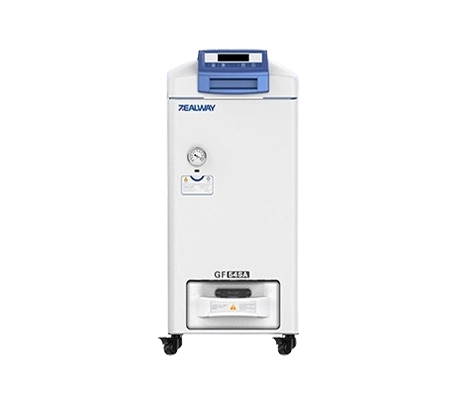
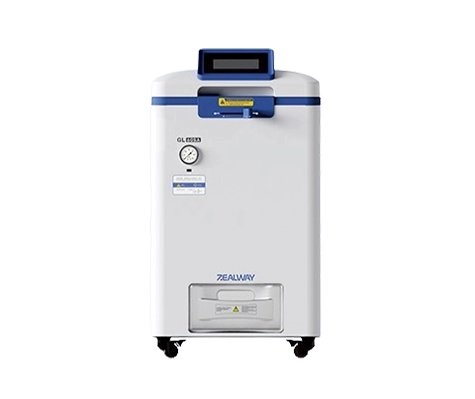
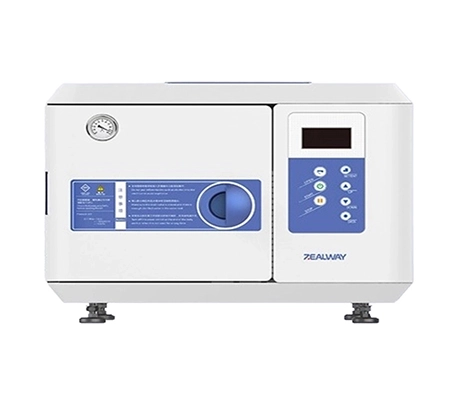
Zealway is committed to being the best autoclave manufacturer in the world. For over 20 years, Zealway has focused on the research, manufacturing, application, and service in the field of sterilization equipment, striving to provide one-stop solutions to clients with higher requirements for safety, quality, and performance.