English
Always follow the user manual carefully.
When loading, ensure items are placed properly to avoid blocking the steam passages.
Use appropriate sterilization bags or containers to prevent sharp objects from scratching the chamber.
After each use, or periodically, ensure that sterilization water is emptied from the chamber.
Clean the sterilization chamber regularly to prevent scale buildup that could affect heating efficiency.
Clean the door seals to ensure proper sealing and prevent steam leakage.
It is recommended to use distilled or deionized water to reduce scale and impurity deposits.
Regularly check water quality to avoid corrosion caused by hard water or excessive chlorine content.
Periodically apply high-temperature lubricants to moving parts such as the door lock and rails to reduce wear.
Check key components such as the pressure gauge, safety valve, and temperature sensors for proper functioning.
Regularly replace consumable parts (such as seals and filters) to prevent performance degradation due to aging.
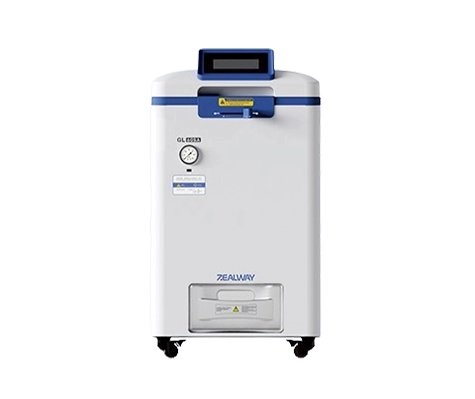
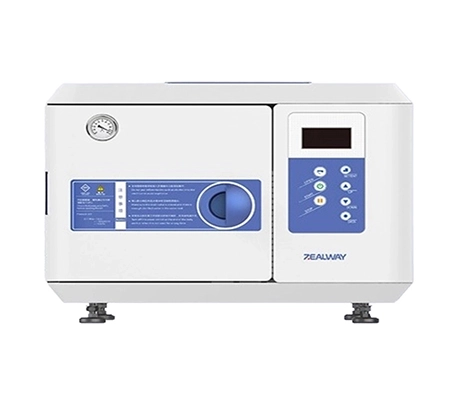
Keeping records of the high pressure sterilizer's operation and maintenance helps identify potential issues early and take corrective actions.
This practice not only extends the lifespan of the equipment but also improves its operational efficiency, ensuring it performs well when needed most.
If the high pressure sterilizer is not to be used for an extended period, empty the water tank and sterilization chamber, and keep it dry to prevent mold growth.
Store the high pressure sterilizer in a well-ventilated, dry environment free of corrosive gases.