English
Among all sterilization methods, steam sterilization is the most commonly used method to kill microorganisms by using the heat released from high-temperature steam to coagulate and denature proteins. Steam sterilization has the advantages of being non-toxic to operators, having a fast sterilization speed, and being easy to control and monitor.
The basic principle of using autoclaves is to expose the items to be sterilized directly to steam at the specified time, temperature, and pressure. Therefore, the four key parameters of the steam sterilization process are steam, pressure, temperature, and time. Common steam sterilization temperatures are 121°C and 134°C. The sterilization time at a constant temperature varies depending on the type of item (e.g., metal, rubber, plastic, etc.), whether the item is wrapped or unwrapped, and the type of sterilizer.
The two basic types of autoclaves are gravity displacement autoclaves and high-speed pre-vacuum sterilizers. They differ mainly in how air is removed from the sterilization chamber before steam penetrates the load.
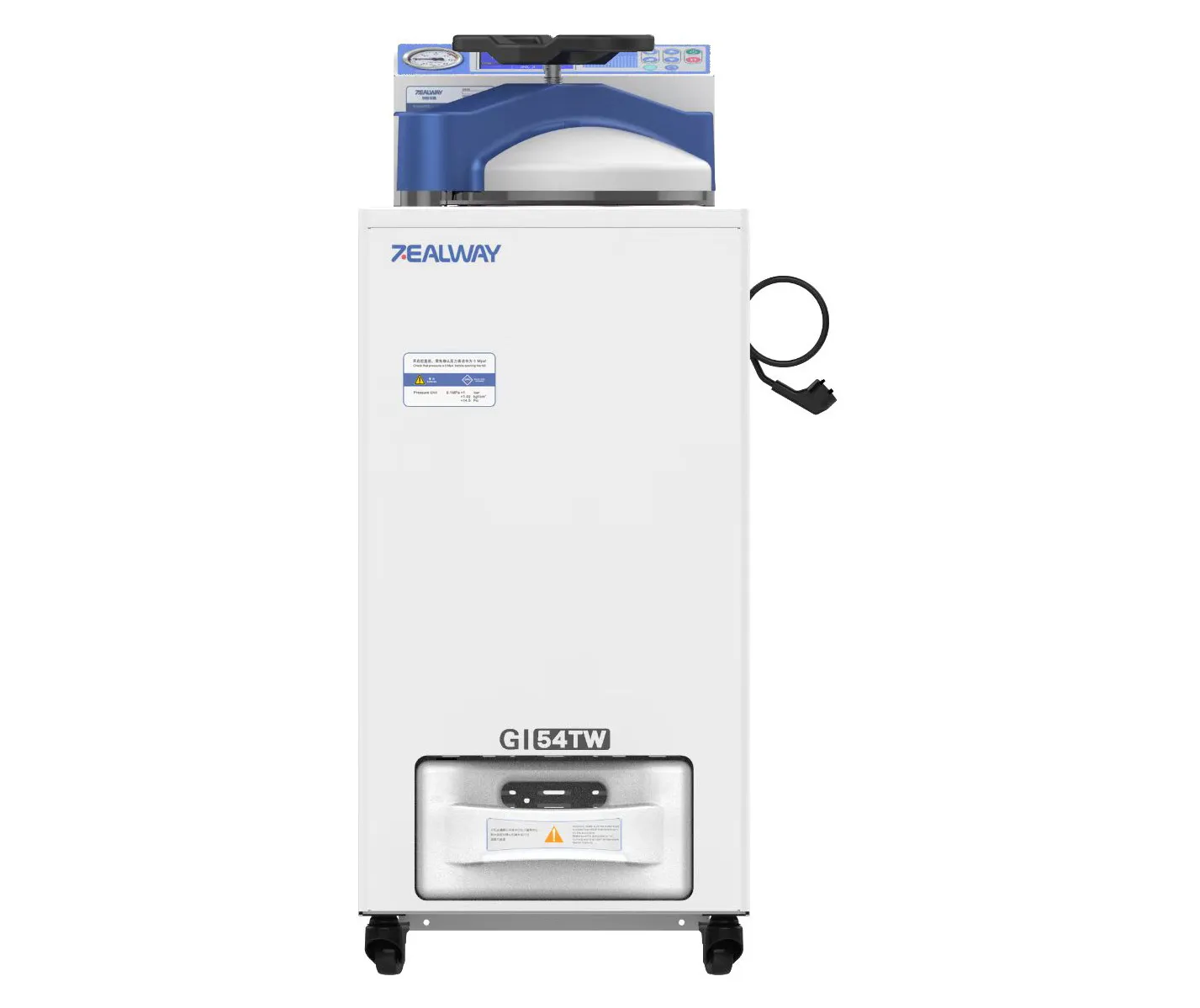
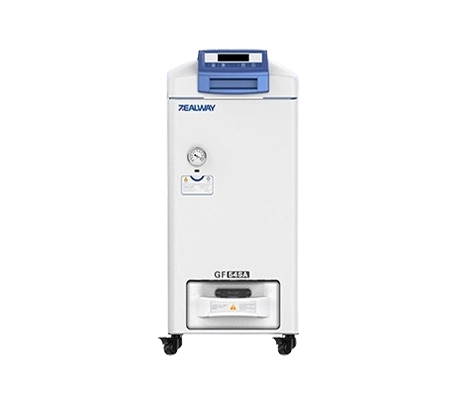
A gravity displacement autoclave, also known as a downward displacement autoclave, allows steam to enter from the top or side of the chamber and push cooler air downward through a vent. This type is commonly used for sterilizing laboratory media, water, pharmaceuticals, regulated medical waste, and non-porous items that can come into direct contact with steam. For laboratories requiring a practical gravity-based sterilization solution, a vertical steam sterilizer is a common equipment configuration for routine steam sterilization.
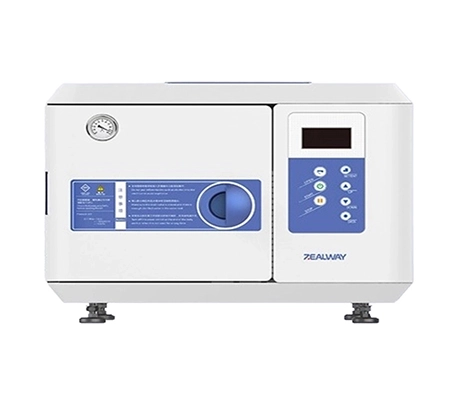
A high-speed pre-vacuum sterilizer uses a vacuum pump to remove air from the chamber before steam enters, allowing more effective steam penetration into porous and wrapped loads. Compared with gravity displacement systems, pre-vacuum autoclaves can offer shorter sterilization cycles and more efficient air removal, although their system structure and maintenance requirements are generally more complex. For compact medical, dental, and laboratory applications, a table top steam sterilizer can provide pre-vacuum steam sterilization where installation space is limited.
As with other sterilization systems, the effectiveness of high-pressure steam sterilization is monitored by mechanical, chemical, and biological monitors. Steam sterilizers typically use graphical outputs to display temperature, time, pressure, etc., during the sterilization process. Additionally, chemical indicators can be used for monitoring, which change color or deform under certain temperature and conditions to indicate whether the required sterilization parameters have been met, such as commonly used pressure sterilization indicator tape. For biological monitoring, heat-resistant non-pathogenic bacterial spores are often used as indicator organisms to determine the effectiveness of heat sterilization.
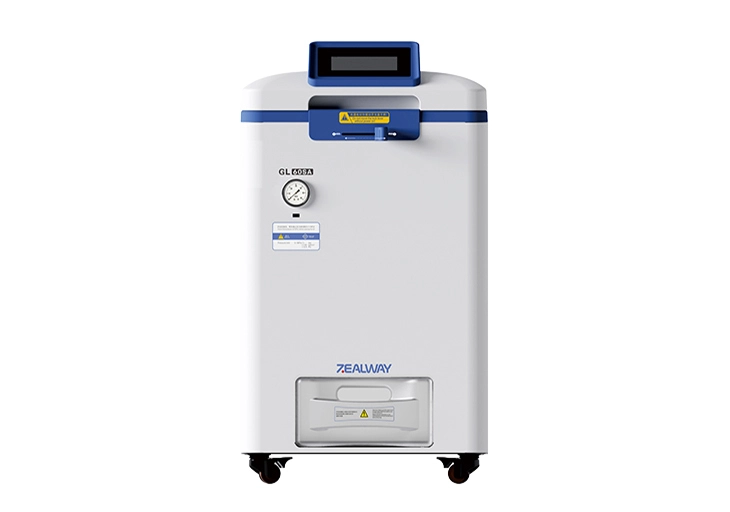
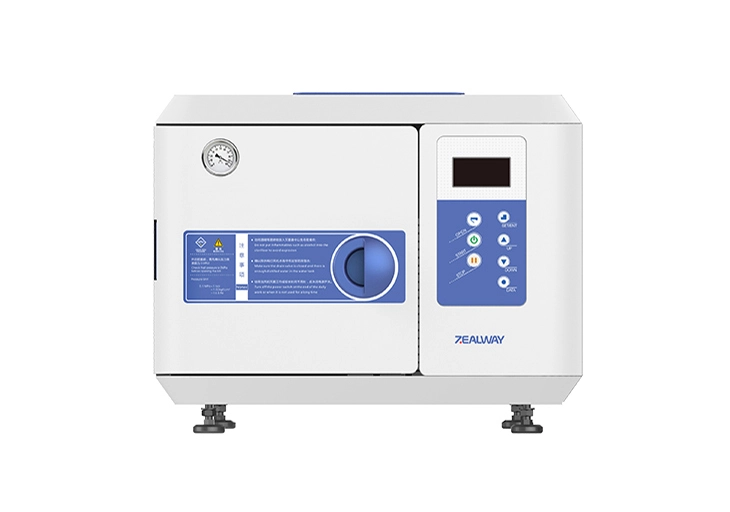
ZEALWAY provides different autoclave configurations for laboratory, medical, pharmaceutical, and other professional sterilization applications.
For routine laboratory sterilization, vertical autoclaves provide a space-efficient solution for media, instruments, and other heat-resistant loads. Tabletop systems are suitable for facilities that require compact sterilization equipment, while a horizontal steam sterilizer is better suited to applications requiring larger chamber capacities or horizontal loading configurations.
ZEALWAY's product range includes vertical, tabletop, and horizontal autoclaves in different chamber capacities and configurations to meet different sterilization workflows.
Contact us today to learn more details.