English
 日本語
日本語 한국어
한국어 français
 Deutsch
 Español
 русский
 português
 العربية
 हिंदी
हिंदी Indonesia
Selecting a medical autoclave for a healthcare facility should be based on the instruments being processed, the required sterilization cycles, daily workload, and the way sterilized items move through the clinical workflow. A vertical configuration can be particularly practical where floor space is limited or where the sterilizer is intended for batch processing of instruments, containers, and other steam-compatible medical loads.
The right equipment is therefore not determined by chamber volume alone. Instrument geometry, load density, packaging, steam penetration, drying requirements, operator access, and cycle control all influence whether a vertical sterilizer is suitable for a particular application.
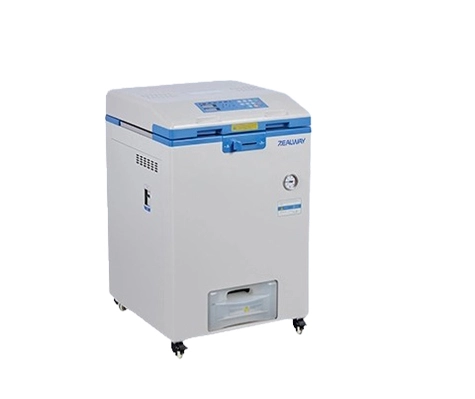
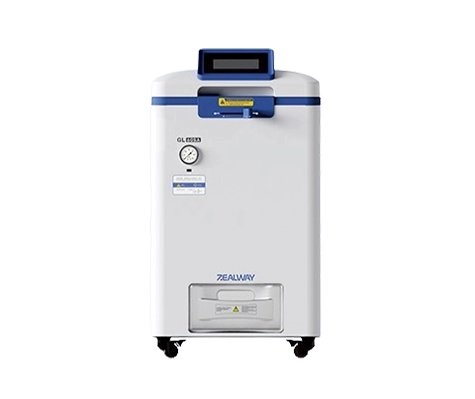
A vertical autoclave is often considered when a facility needs reliable steam sterilization in a relatively compact equipment footprint. The chamber is accessed from the top, allowing the equipment to occupy less horizontal floor area than many front-loading systems.
This configuration can be useful in clinics, laboratories, outpatient facilities, and other healthcare environments where available room space is constrained. It can also be appropriate for facilities processing defined batches of reusable instruments rather than very large trolley-based loads.
However, the suitability of a vertical design depends on how instruments are loaded and handled. Heavy or bulky instrument sets may require different loading arrangements from smaller individual instruments, so the physical workflow should be considered before selecting the equipment.
The first step is to identify the types of instruments and materials that will regularly enter the sterilization chamber. Different loads can create different requirements for steam penetration, packaging, drying, and chamber arrangement.
| Load Type | Typical Consideration | Selection Implication |
|---|---|---|
| Metal surgical instruments | Efficient heat transfer but may require careful arrangement | Consider baskets, trays, and instrument spacing |
| Wrapped instrument sets | Steam must penetrate packaging effectively | Evaluate air removal and cycle configuration |
| Glass containers | Require appropriate loading and thermal handling | Consider chamber accessories and load stability |
| Textile or porous materials | Can retain air and moisture | Steam penetration and drying become especially important |
| Liquid loads | Heat transfer and pressure changes require careful control | Use cycles appropriate for the specific liquid application |
This classification helps prevent a common purchasing mistake: selecting a sterilizer according to the average number of instruments while overlooking the physical and process characteristics of those instruments.
Capacity should be calculated from actual load requirements rather than the maximum number of instruments that can theoretically fit into the chamber. The useful capacity depends on tray dimensions, instrument arrangement, packaging, spacing, and the need for adequate steam circulation.
A small clinic with relatively light instrument loads may not benefit from a very large chamber if the equipment is routinely operated partially filled. On the other hand, a facility with several standardized instrument sets may need a larger chamber to reduce the number of cycles required each day.
When comparing medical autoclaves, buyers should therefore calculate average load volume, peak workload, number of daily cycles, and the physical dimensions of the largest recurring load.
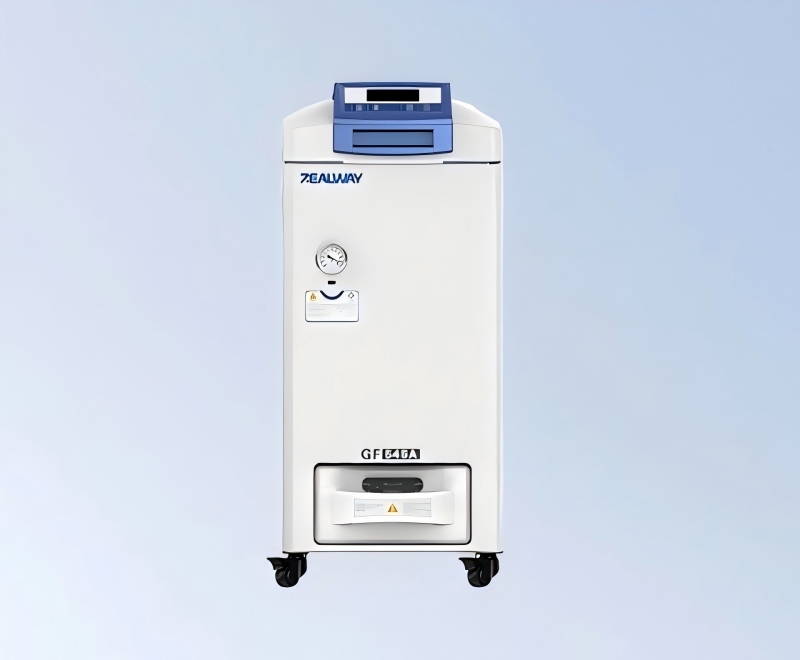
Two loads with the same total weight can behave very differently during sterilization. A compact collection of metal instruments may allow steam to circulate relatively easily, while densely arranged trays, packaged instruments, or complex components can create restricted spaces where air removal and steam penetration become more challenging.
Instrument length and shape should also be considered. Hinged instruments, hollow components, narrow channels, and assemblies with difficult-to-reach surfaces can require more careful cycle and loading considerations than simple solid instruments.
This is why chamber volume should always be evaluated together with usable loading space. A technically large chamber does not necessarily provide greater practical capacity if the available baskets or racks cannot accommodate the facility's instrument sets efficiently.
The required cycle configuration depends on the materials processed by the facility. A medical sterilizer may need different operating parameters for solid instruments, wrapped loads, porous materials, or other compatible applications.
The important consideration is whether the available programs correspond to the facility's actual sterilization workload. A system with several nominal programs is not necessarily more useful if those programs do not match the instruments, packaging systems, and load configurations used in practice.
Cycle selection should therefore be connected to documented processing procedures. Staff should know which cycle is intended for each recurring load type and how the load should be prepared before the cycle starts.
Air removal is a critical consideration because residual air can interfere with steam contact. This becomes increasingly important when sterilizing wrapped instruments, porous materials, or loads with spaces that can trap air.
For these applications, the sterilizer's ability to establish the appropriate conditions before the exposure phase is an important part of the purchasing evaluation. Buyers should examine how the equipment handles air removal and whether the cycle configuration is suitable for the types of loads routinely processed.
Simply reaching the target chamber temperature does not provide the complete picture. Effective sterilization depends on the interaction between temperature, pressure, steam contact, exposure time, and the physical characteristics of the load.
Drying is not merely a cosmetic stage at the end of a sterilization cycle. Moisture remaining on packaged or sterilized instruments can affect handling, storage, and subsequent use. Wet packaging may also require additional attention before the instruments can be transferred into the clean area.
For facilities processing wrapped instrument sets, drying performance should therefore be considered during equipment selection. The actual result depends on the load configuration, packaging material, cycle parameters, and equipment design, so buyers should evaluate complete cycle performance rather than sterilization exposure time alone.
Loading procedures should maintain enough space for steam circulation while preventing instruments from shifting or becoming damaged during the cycle. Trays and baskets should be arranged according to the sterilizer manufacturer's recommendations, with particular attention to dense instrument sets and wrapped materials.
Overloading should be avoided even when physical chamber space appears available. Excessive loading can change the way steam moves through the chamber and may reduce the consistency of the sterilization process.
Standardized loading patterns can make daily operation more reliable. For example, a healthcare facility can define separate loading procedures for routine instrument trays, wrapped sets, glassware, and other recurring loads rather than allowing each operator to use a different arrangement.
The choice between vertical and horizontal equipment should be based on workflow rather than configuration preference alone. Vertical systems can be advantageous when floor space is restricted and loads can be safely handled from the top of the chamber.
Horizontal systems may become more appropriate when the facility processes larger or heavier batches and needs trolley-based loading and unloading. They can also integrate more naturally into high-throughput sterilization areas where material movement is organized around dedicated loading and unloading zones.
For a facility with moderate instrument loads and limited space, a vertical configuration may provide an efficient balance between chamber capacity and equipment footprint. For high-volume central sterilization operations, other equipment configurations may provide better workflow integration.
Medical sterilization equipment is operated repeatedly by staff, so usability and safety should be evaluated alongside technical performance. Door or lid mechanisms, pressure protection, temperature monitoring, control interfaces, alarms, cycle status information, and operator access all affect day-to-day operation.
The control system should make it clear which cycle has been selected and whether the sterilization process has completed correctly. Consistent operation becomes particularly important when multiple staff members share responsibility for instrument processing.
Maintenance access should also be considered. Routine inspection and servicing are easier when key components can be reached without excessive disruption to the clinical environment.
When comparing a medical sterilizer, buyers should create a load-based specification rather than comparing chamber volume alone. The specification should include the instrument types, maximum recurring load, packaging methods, desired cycle types, drying requirements, available installation space, utilities, operator workflow, and expected daily throughput.
| Evaluation Area | Key Question |
|---|---|
| Chamber capacity | Does the usable chamber accommodate the largest routine load? |
| Instrument compatibility | Are the instruments and materials suitable for steam sterilization? |
| Cycle selection | Do available programs match the facility's actual load types? |
| Air removal | Is the process suitable for the required packaged or complex loads? |
| Drying | Can sterilized loads be handled and stored appropriately after processing? |
| Workflow | Does loading and unloading fit the clinical sterilization process? |
| Installation | Are floor space, utilities, ventilation, and service access adequate? |
| Maintenance | Can routine servicing and inspection be performed efficiently? |
Equipment selection is only one part of an effective sterilization process. Facilities can also improve efficiency by standardizing instrument preparation, grouping compatible loads, defining loading procedures, and recording cycle information consistently.
Recurring load configurations should be reviewed periodically. If a particular instrument set frequently requires additional handling or occupies excessive chamber space, changing the tray arrangement or reviewing the load configuration may improve workflow without replacing the sterilizer.
Staff training is equally important. Operators should understand the relationship between load preparation, packaging, chamber arrangement, cycle selection, and post-cycle handling rather than treating the sterilizer as a simple push-button appliance.
The right medical vertical autoclave is the one that matches the facility's actual instruments, load sizes, sterilization cycles, available space, and operating procedures. Capacity should be assessed according to usable loading volume, while air removal, steam penetration, drying, safety, and maintenance should be evaluated as part of the complete sterilization process.
By defining the recurring load types first and then matching the equipment to those requirements, healthcare facilities can avoid both under-sizing and unnecessary overcapacity. This approach results in a sterilization system that is easier to operate consistently and better aligned with the practical demands of medical instrument processing.
This is the first one.