English
In experiments, we deal with "sterility" every day. Items sterilized at high temperature should be absolutely clean and safe. However, a headache-inducing problem often arises— "contaminated package."
The so-called "contaminated package" refers to the phenomenon where, after high-temperature sterilization, unexpected water stains, dirt, abnormal colors, or fiber shedding appear on the surface of the paper-plastic packaging bag (especially on the paper side). This not only affects the storage and distribution of items but more seriously, it may indicate a failure in the sterilization process or a breach in the packaging barrier, posing significant safety risks.
Today, we will thoroughly analyze the root causes of the "contaminated package" in paper-plastic packaging and find a cure for it.
The reasons for a contaminated package in paper-plastic bag packaging are complex, but they can mainly be attributed to the following categories:
Cleaning Quality Not Up to Standard
Incomplete cleaning: Residual blood, proteins, and dirt on the instruments can carbonize and denature at high sterilization temperatures, forming hard-to-remove yellowish-brown stains which may penetrate the packaging material.
Inadequate drying after cleaning: Moisture in joints and lumens of the instruments can evaporate during sterilization and rapidly condense on the cooler packaging bag or sterilization chamber walls, forming water stains. This is the most common reason for water-stained contaminated packages.
Improper Packaging Operation—Human Factors
Manual packaging contamination: Operators do not strictly follow hand hygiene protocols, and stains or sweat on their hands directly contaminate the packaging paper.
Unclean packaging table: The packaging table has dust, fiber scraps, or residual contaminants from the previous batch.
Overpacking: Sharp or overpacked instruments may puncture or abrade the plastic side during handling or sterilization, compromising the seal integrity.
Sterilization Process Out of Control—Process Breach
Insufficient drying time: This is the core reason for water-stained contaminated packages. If the drying phase duration or temperature is insufficient after sterilization, a large amount of moisture remains inside the sterilization chamber and on the items, which condenses to form water stains when taken out.
Rapid heating/cooling rates: A rapid temperature change can cause steam in the chamber to "flash steam," producing numerous tiny droplets that adhere to the packaging.
Substandard steam quality: Excessively wet steam (high moisture content) contains boiler additives or pipe rust, which directly contaminates the packaging bag.
Equipment and Facility Issues—Hardware Hazards
Sterilizer performance failures: Issues such as aging and leaking seals, blocked drain valves leading to poor drainage, and inaccurate temperature/pressure sensors.
Contamination inside the sterilization chamber: Rust, scale, or residual chemical stains on chamber walls, racks, or carts.
Water and steam source problems: Inferior quality of pure water for steam preparation or issues with the boiler system.
Improper Storage and Transport—Subsequent Contamination
Humid and unclean storage environment: High humidity and dust in the sterile storage area cause the paper side to absorb moisture and contaminants from the air.
Rough handling: During distribution and transport, the packaging bag is subject to friction, compression, or dragging, causing damage or contamination to the paper side.
Having identified the causes, we can prescribe precise "remedies." Solving the contaminated package issue requires a systematic quality control loop.
Strict Control on Cleaning to Eliminate Sources
Strictly follow cleaning procedures: Adhere to the standard procedure of "rinsing-enzymatic washing-rinsing-final rinsing-disinfection-drying" to ensure no visible contaminants remain on the instruments.
Enhance the drying process: Use high-pressure air guns to thoroughly dry the lumens of instruments, ensure optimal performance of drying ovens, and achieve complete drying of all instruments, especially complex ones.
Standardize Packaging Operations, Details Determine Success
Create a clean environment: Package in a standard clean area, ensure the packaging table is clean, and regularly monitor the environment.
Enhance personnel training: Operators should strictly follow hand hygiene protocols, wear powder-free gloves, and avoid directly touching the paper side with their hands.
Reasonable packing: Follow the manufacturer's recommendations, keeping items at least 2.5 cm away from the sealing edge, avoid instrument tips directly contacting the plastic side, and use protective pads if necessary.
Optimize Sterilization Process, Precisely Control the Procedure
Ensure thorough drying: Adjust and extend the drying time scientifically based on the material, density, and load of instruments. Consider extending the time for large lumens or heavy instruments.
Regularly monitor steam quality: Periodically test the steam of the tabletop sterilizer to ensure parameters like dryness value and non-condensable gas content meet the standards.
Standardize loading: Paper-plastic packaging should be placed paper side perpendicular to the plastic side, with enough spacing (≥2.5 cm) to facilitate steam penetration, air removal, and moisture evaporation.
Strengthen Equipment Maintenance, Hardware is the Guarantee
Implement preventive maintenance: Perform daily, weekly, and annual maintenance of the sterilizer as required by the manufacturer, focusing on key components like seals, drain valves, and sensors.
Maintain sterilization chamber cleanliness: Regularly clean the interior of the sterilization chamber to remove scale and rust stains.
Guard the Storage and Distribution, No Oversights Throughout
Control the storage environment: The temperature in the sterile storage area should be maintained below 24°C, humidity between 30%-60%, and be clean and dust-free.
Implement "first in, first out": Prevent items from expiring and reduce contamination risk from long-term storage.
Handle with care: Use clean transport carts, handle items gently to avoid compression and friction.
Details forge professionalism, every step of the process cannot be overlooked. Let's start from the source and focus on the details to jointly build a safe and efficient sterile supply system.
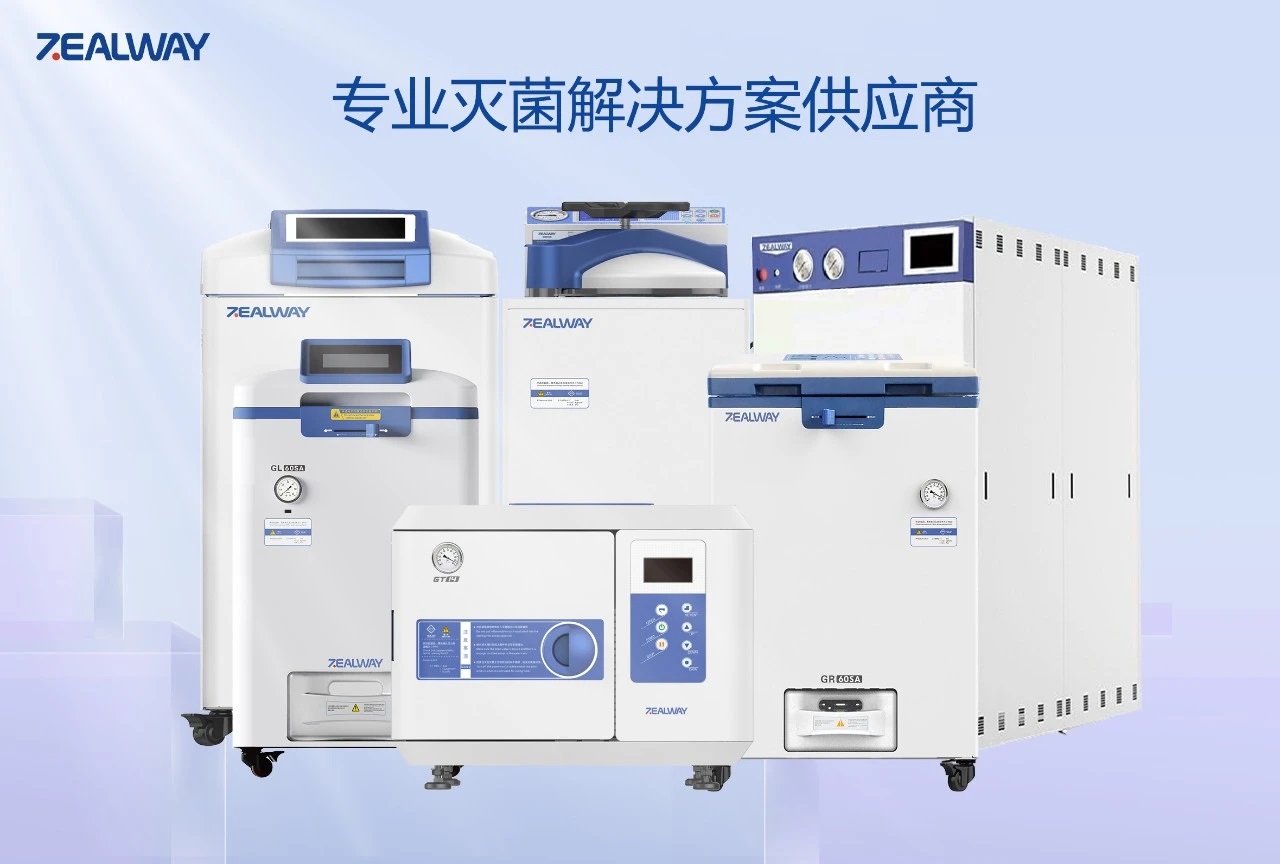
Dedicated to building the finest autoclaves across the globe, Zealway stands out among leading autoclave manufacturers. Boasting 20+ years of experience in sterilization equipment R&D, manufacturing, application and service, we tailor complete one-stop solutions to meet customers' stringent demands on safety, quality and operational performance.